Housing in Santa Barbara County is not just a basic need but a cornerstone of economic security and community resilience.
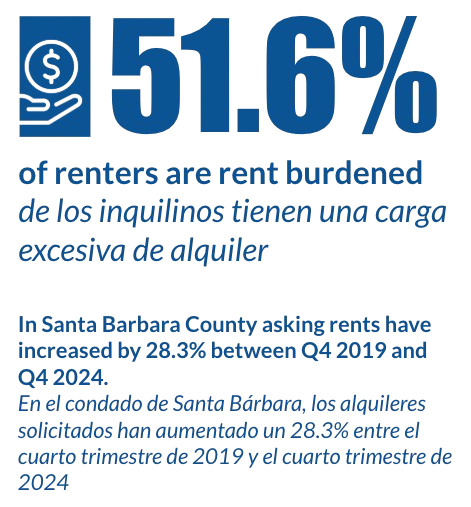
With more than half of renters paying over 30% of their income toward housing, homeownership increasingly out of reach for working families, and the rising rate of homelessness, solutions must be innovative, data-driven, and equity-focused.
Data can help us get there.
The Housing Dashboard is a data tool collaboratively created by community invested partners and supported by the Santa Barbara Foundation. This shared data tool will help inform and guide future housing solutions for Santa Barbara County.
Photo Credit: Santa Maria Sun
On this page:

The County of Santa Barbara Housing and Community Development Division has a Housing Resources page. Click the icon or link above to be redirected.
The Housing Dashboard is a project in partnership with the Santa Barbara Foundation.


Interactive Housing Data
Use the interactive charts below to explore production and need housing data in Santa Barbara County, CA. Use the toggles to look at past and present housing data and compare across metrics. All terms are defined in the Glossary. This data is most easily accessible in desktop format.

Housing in Santa Barbara County
Housing security is one of the most pressing issues in Santa Barbara County as there is currently not enough housing at all levels — workforce to home ownership as well as services for the unhoused. Addressing community housing needs requires local policies, subsidies, and creative partnerships to build upon the already significant achievements of the town, county, local organizations, employers, private sector, and community.
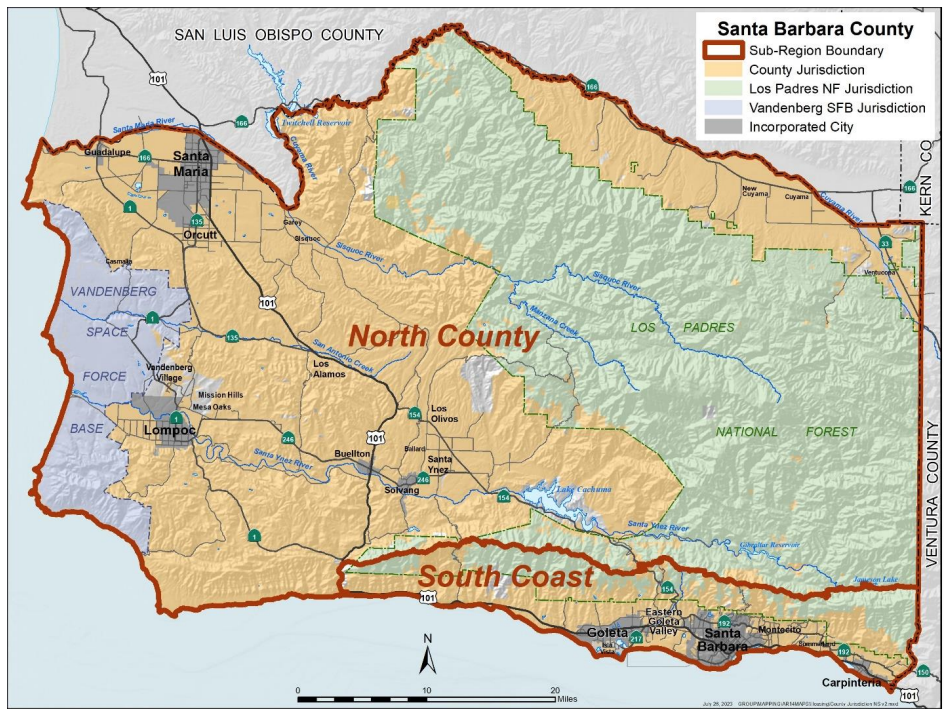
Regional Housing Needs Allocation (RHNA) Sub-Regions, South Coast and North County. Credit: SBC Housing Element Update, 2023
There are many partners and entities driving this work, including:

Assessing Needs
Housing needs impact every other aspect of our community including employment, child care access, transportation, environmental impact, community engagement, and healthcare. This means that housing costs are crucial to support our community. There is a disparity in different areas of the county. For example, North County has lower home prices and rents, but the rate of population increase is greater.
There is an impact on employers in the current housing market as well. Beyond the demand for affordable housing options — lack of affordability is creating overcrowding, there is also a need to address barriers such as increasing safe accessible housing opportunities across diverse segments of the community, including the elderly population, which is the fastest growing demographic. As one example, in the City of Santa Barbara, there is a 1.5% vacancy rate, meaning that for every 100 people looking for housing there are 1.5 units available.
Median single-family home prices in Santa Barbara County have exceeded median home prices in neighboring counties and the state since 2018, reaching an all time high of $1,043,441 as of September 2023 according to the 2023/2024 Santa Barbara State of the Workforce Report.
The County of Santa Barbara Housing and Community Development Division has a Housing Resources page. Click the icon or link above to be redirected.
Housing Production
Santa Barbara County has many projects in the pipeline and many organizations doing incredible work to generate housing. See links to view projects/units in development and view specific project highlights.
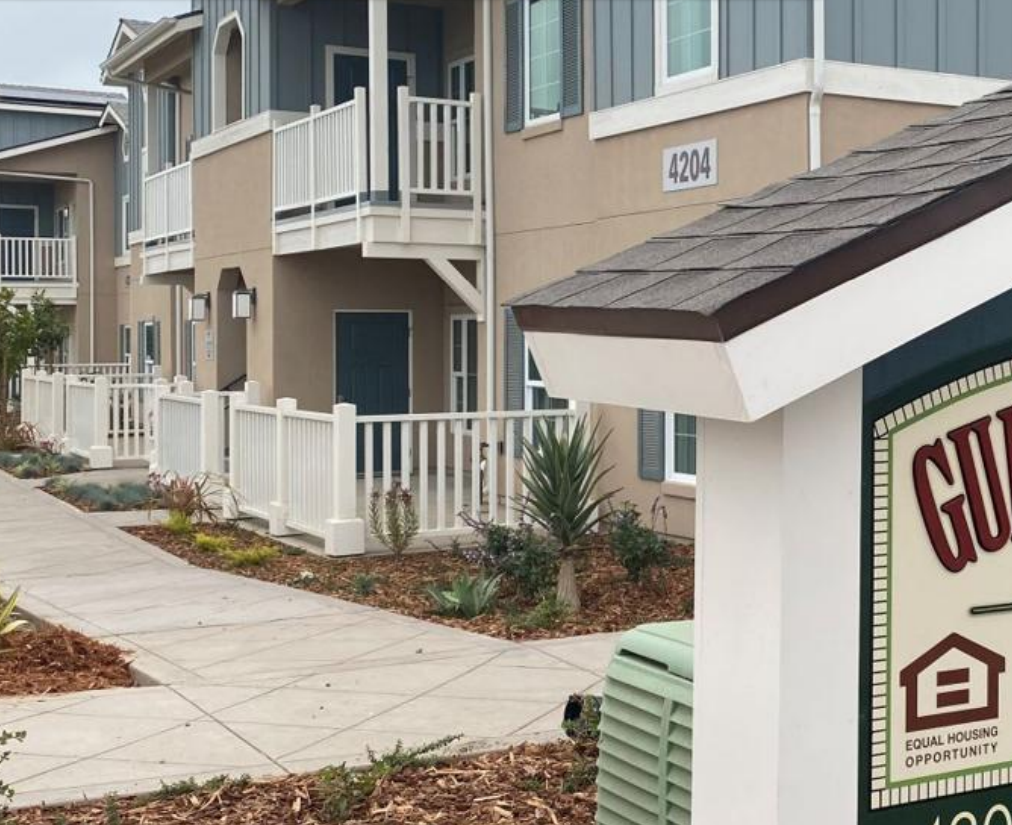
Photo Credit: People’s Self Help Housing
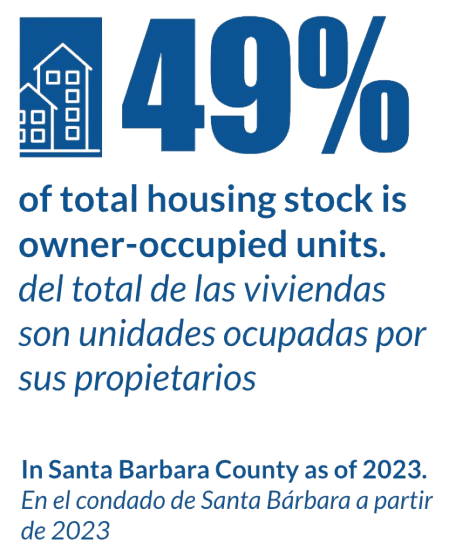
Source: ACS
Project Highlights:
The project involves the replacement of the existing 26 dwelling unit buildings comprising of 52 single story rental units, and one Community Center with ten (10), Type V-B construction, two-story apartment buildings for a total of 80 affordable rental units, one Community Center, and associated amenities. Learn more at the link provided.
Santa Barbara County Motel Transformed Into Supportive Housing
Located in Santa Barbara County, Buena Tierra was developed by the Housing Authority of Santa Barbara County, which worked closely with both the City of Goleta and the City of Santa Barbara to create a housing community that sits directly atop the cities’ borderline. Learn more at the link provided.
The above is an integrated housing model (a development that combines affordable housing with supportive services, health clinics, or child care centers). This is a great example of a best practice approach to better serve our community.
The Cota St. Affordable Homes is a five-unit affordable ownership housing development that is currently under construction on East Cota Street in Santa Barbara. Located in the historic Eastside neighborhood, across from Santa Barbara Junior High, this project is a combination of housing preservation (rehabilitation of 100+-year-old homes that were previously rentals) as well as for-sale Accessory Dwelling Units (ADUs). Creating ownership housing out of ADUs is a housing innovation made possible by a new state law, AB345, and Habitat Santa Barbara is proud to be among the first nonprofit housing developers using it to create ownership housing.
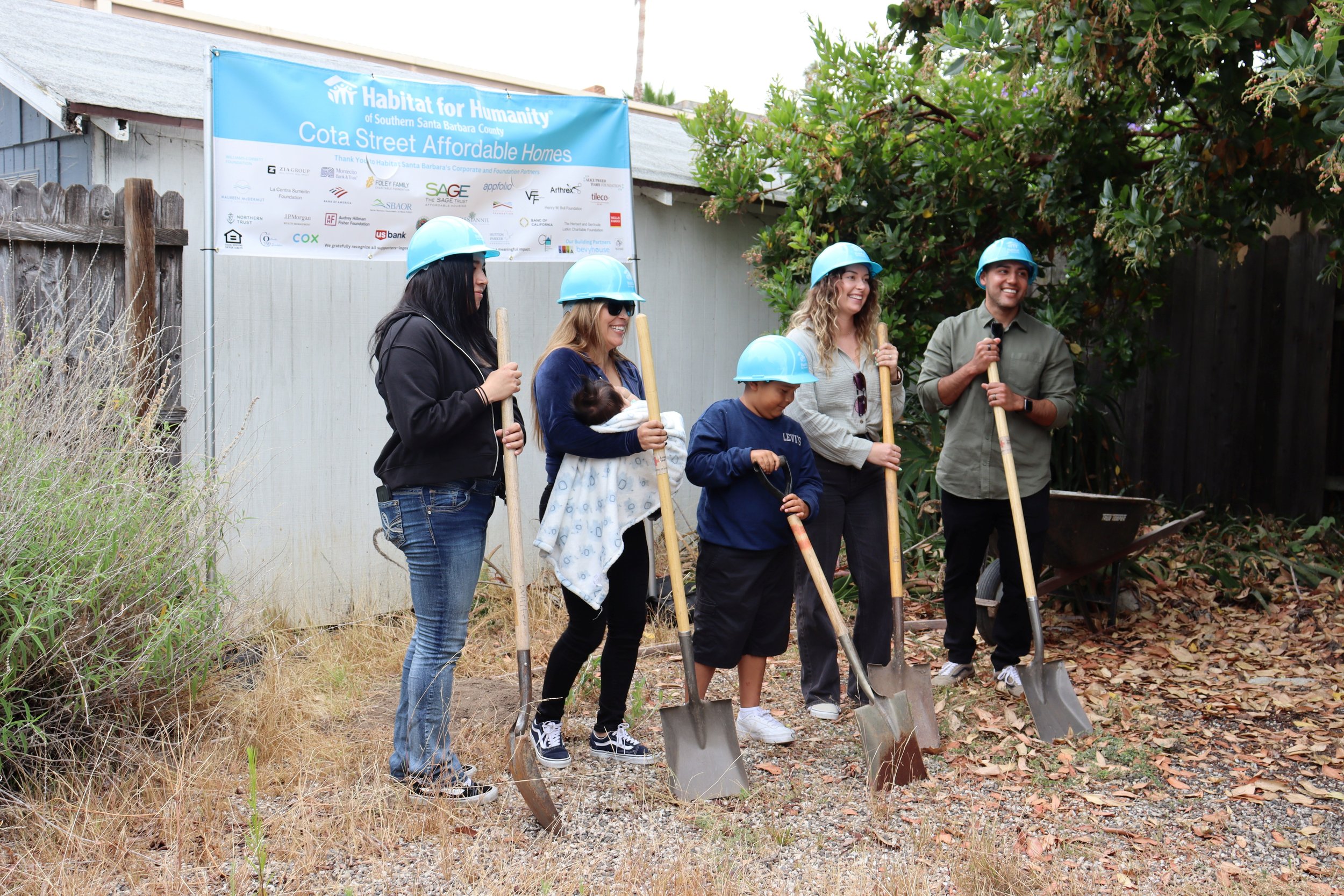
Photo Credit: courtesy Habitat Santa Barbara, homeowners with shovels-- Cota St. Affordable Homes
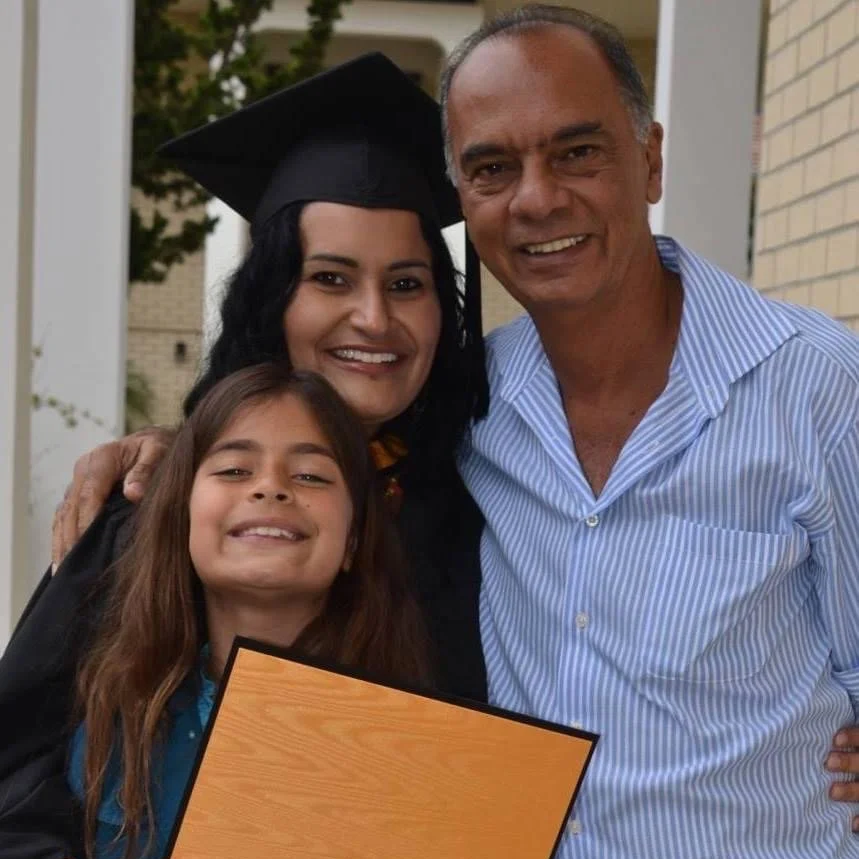
Raquel, Habitat Santa Barbara homeowner since 2011
Habitat changes lives and we are living proof of that...a hand up to someone in need can have a ripple effect in their lives and the lives of those who care about and love them.
Photo Credit: courtesy Habitat Santa Barbara

Services and Prevention
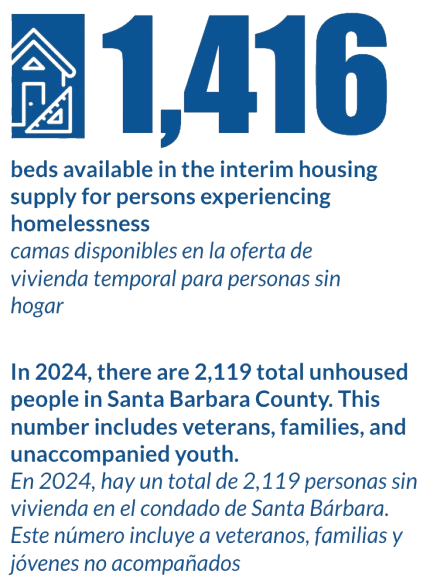
Santa Barbara County has strong support services for the unhoused community including efforts towards prevention. There has been an increase in people exiting the unhoused system, though the number of unhoused individuals continues to rise (2,119 in 2024, 1,887 in 2023). The elderly population is the fastest growing demographic.
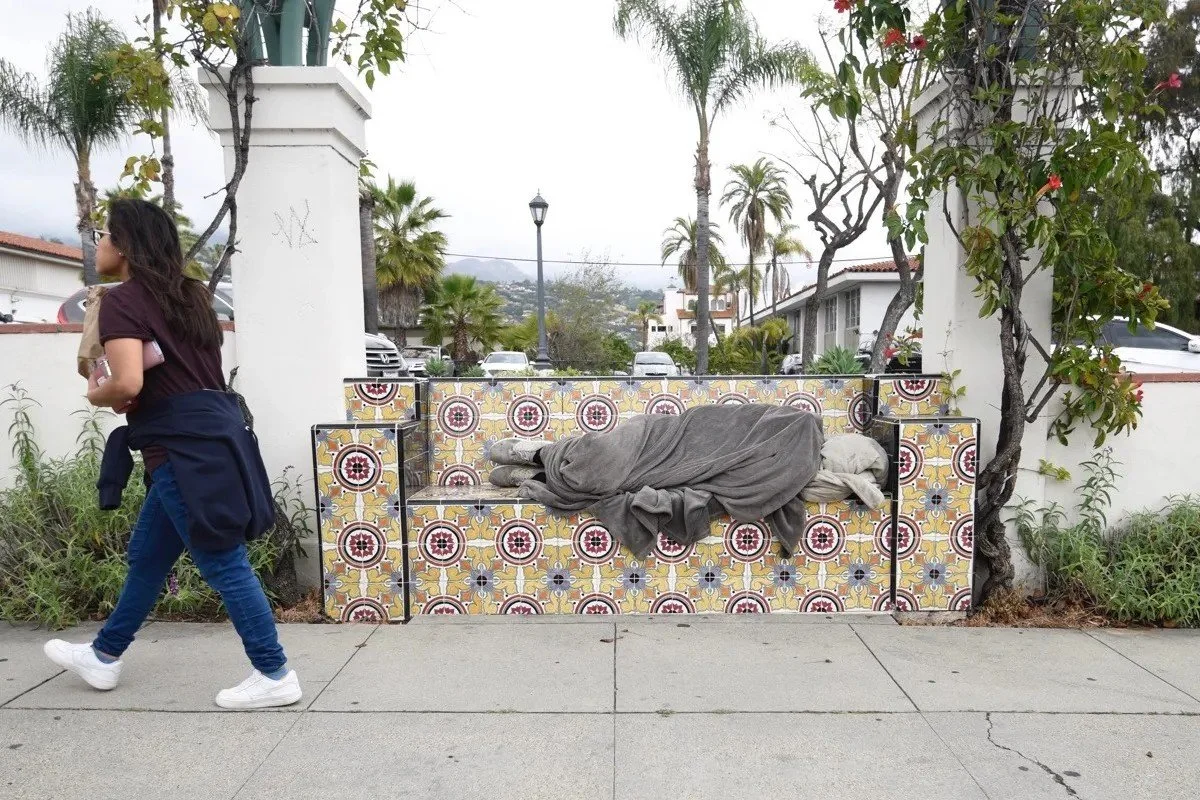
Photo Credit: Paul Wellman
Funding
Santa Barbara County has the unique advantage to leverage partnerships, though the County does not currently have the capacity to meet our diverse community housing needs. Using innovative and integrated funding streams we can create housing opportunities.
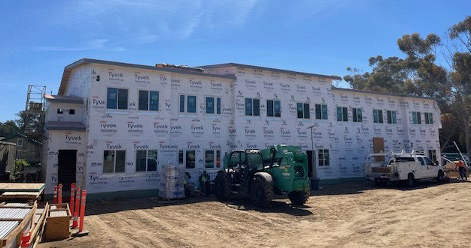
Photo Credit: HASBARCO, Patterson Point construction - Goleta
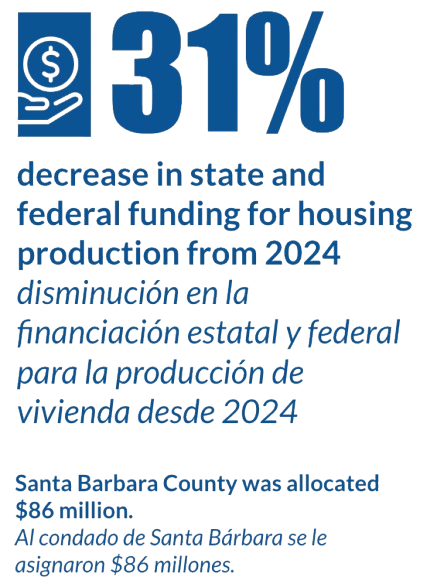
Source: California Housing Partnership
The decrease in funding is paired with the fact that Santa Barbara County is seeing an increase in cost of construction and land sales.
Community Experience:
Community members from across Santa Barbara County share their stories tied to housing below.
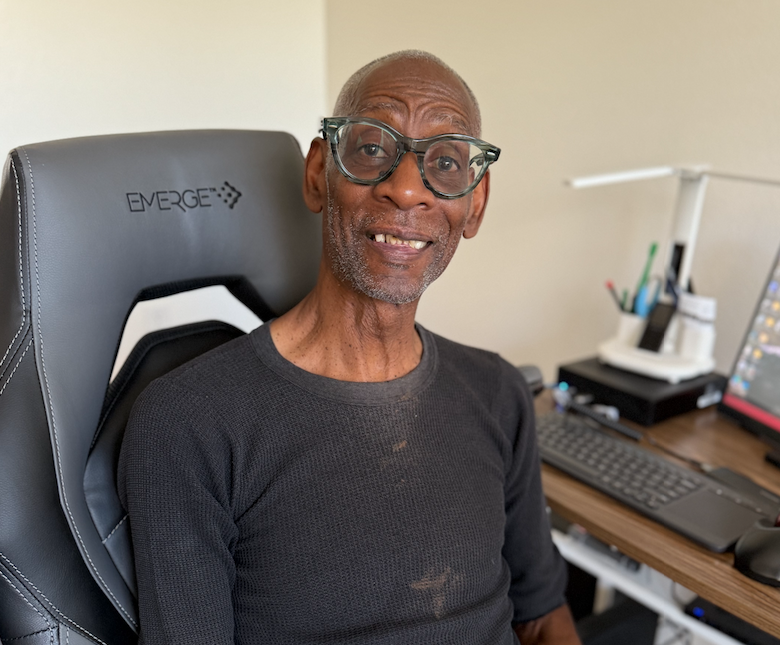
Photo courtesy of New Beginnings
Ricky
In 2004, 70-year-old Ricky found himself without a stable place to call home. Nights were spent moving from one friend’s couch to another, and when privacy was possible, the backseat of his van became his refuge.
Ricky once served proudly as a Santa Barbara County Sheriff’s deputy, a career he remembers with gratitude. But after retiring in his mid-50s due to severe knee injuries that prevented him from meeting the physical demands of the job, his financial situation began to unravel.
Living on a $2,000 monthly pension, Ricky stretched his income by driving school buses. But with rent costs rising faster than his earnings, he found himself falling behind. Still too young to receive Social Security, Ricky began to lose hope.
That changed last year when he crossed paths with Matt Chapa, a Housing Navigator with New Beginnings, who encouraged him to apply for the Veterans Housing program. Having served in the Air Force, Ricky qualified for New Beginnings’ Supportive Services for Veteran Families (SSVF) Program. By January, he had moved into his own apartment under the temporary housing assistance program, which provides up to nine months of support.
Transitioning into permanent supportive housing came when Outreach Coordinator Christian Morgan reviewed Ricky’s finances and successfully bridged an unnecessary financial gap. “When I looked at his finances, I saw that nearly all of his pension was being withheld for a super high health premium and given his age and that he was now receiving Social Security benefits, I knew that he was eligible for equal coverage with Medicare at a fraction of the cost.” Morgan accessed resources through the Central Coast Commission for Senior Citizens to switch Ricky’s insurance, cutting it down by almost one-fifth.
This August, with the continued guidance of New Beginnings’ case management staff, Ricky transitioned into permanent senior subsidized housing through the City of Santa Barbara — finally regaining a safe and stable home of his own. “I must thank Christian. He was on my hip almost throughout this whole process. He would come up with an answer about what had to be done. I really must thank him for getting me into the program and working through my finances and vet benefits.”
The above story was generously shared by New Beginnings.
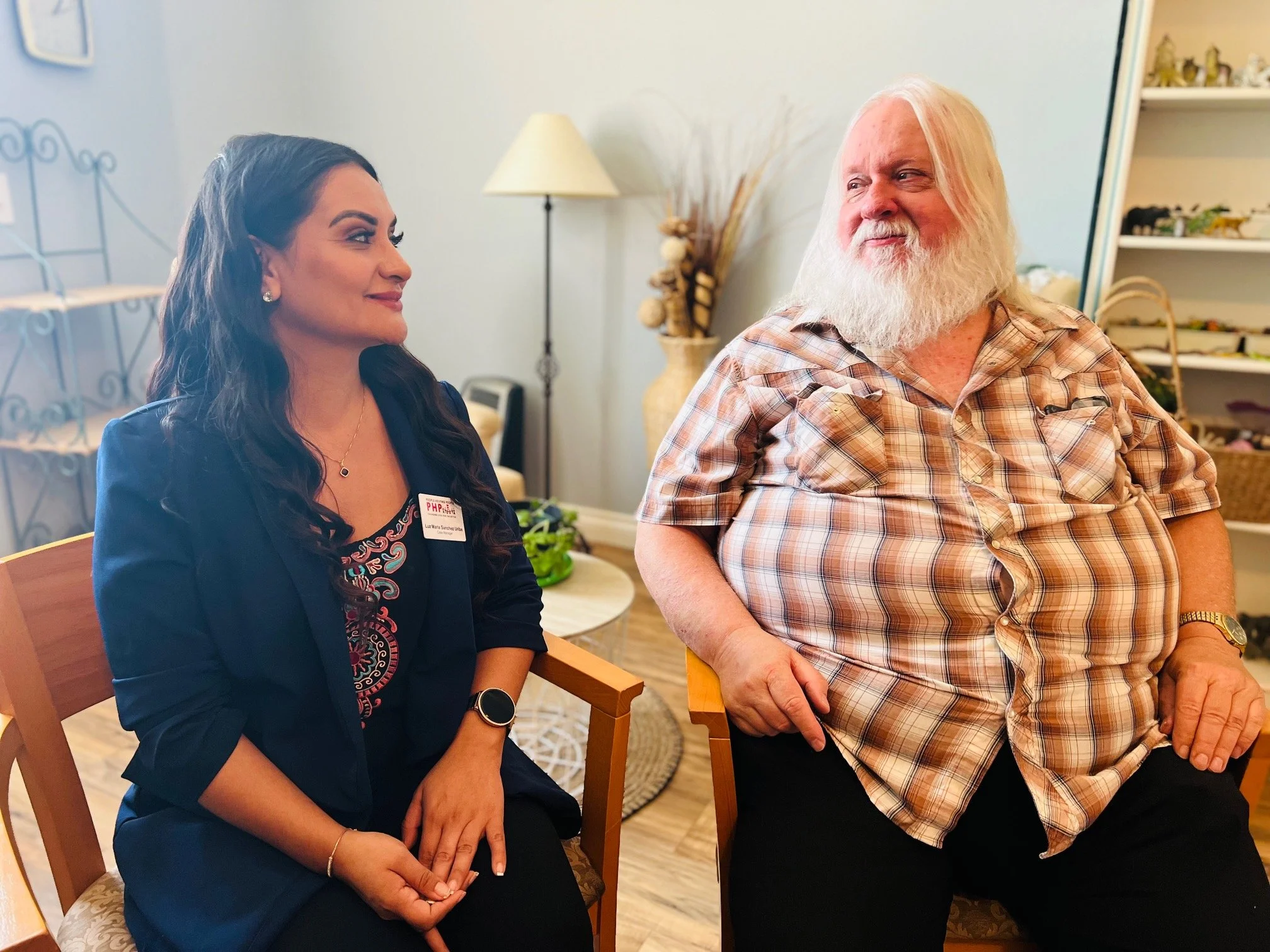
Photo courtesy of People Helping People
Andrew
After years of living between hotels and his car, Andrew finally received keys to a fresh start. From decades as a stable homeowner with a family, it was hard to envision being a renter in a one-bedroom apartment, but this was his first big step back.
People Helping People (PHP) arrived at Andrew's storage unit ready to load essential items and treasured family belongings. As we rolled up the door, it was quickly evident that rodents had destroyed most everything. Every bit of excitement was consumed by disappointment and shock.
Within hours of reaching out to our community, PHP had an array of offers for new beds and bedding, couches, housewares, and more. From retirees to young couples, new parents, young adults, as well as those well established, generosity came from every corner of our Santa Ynez Valley. Everyone shared the same messages; “I have more than I need.” “I have something to give.” “I want to help.” The result was both inspiring and overwhelming, ever again proving that when everyone gives what they can, we can mobilize and steward that generosity to do a lot of good, right in our own community.
James
James (name has been changed to protect identity) came to the Valley from Japan and, for a time, was homeless with his young son in both Santa Ynez and Lompoc. With limited support and ongoing mental-health challenges, he still managed to stay sober for over 10 years and “wanted to be of service” in the community. Today, as a Polo Village resident, James has a stable home base where he can focus on work, parenting, and giving back.
Alyssa
Alyssa (name has been changed to protect identity) and her family spent years in a small, rundown trailer. She, her son, and her disabled husband slept on an old mattress that left them shivering in winter and overheated in summer. When the opportunity to apply for Polo Village housing arose, the paperwork and process felt overwhelming. PHP staff stepped in — helping her navigate the application, apply for a security-deposit assistance, and then providing furnishings when the family moved in “with almost nothing.”
The above stories were generously shared by People Helping People.
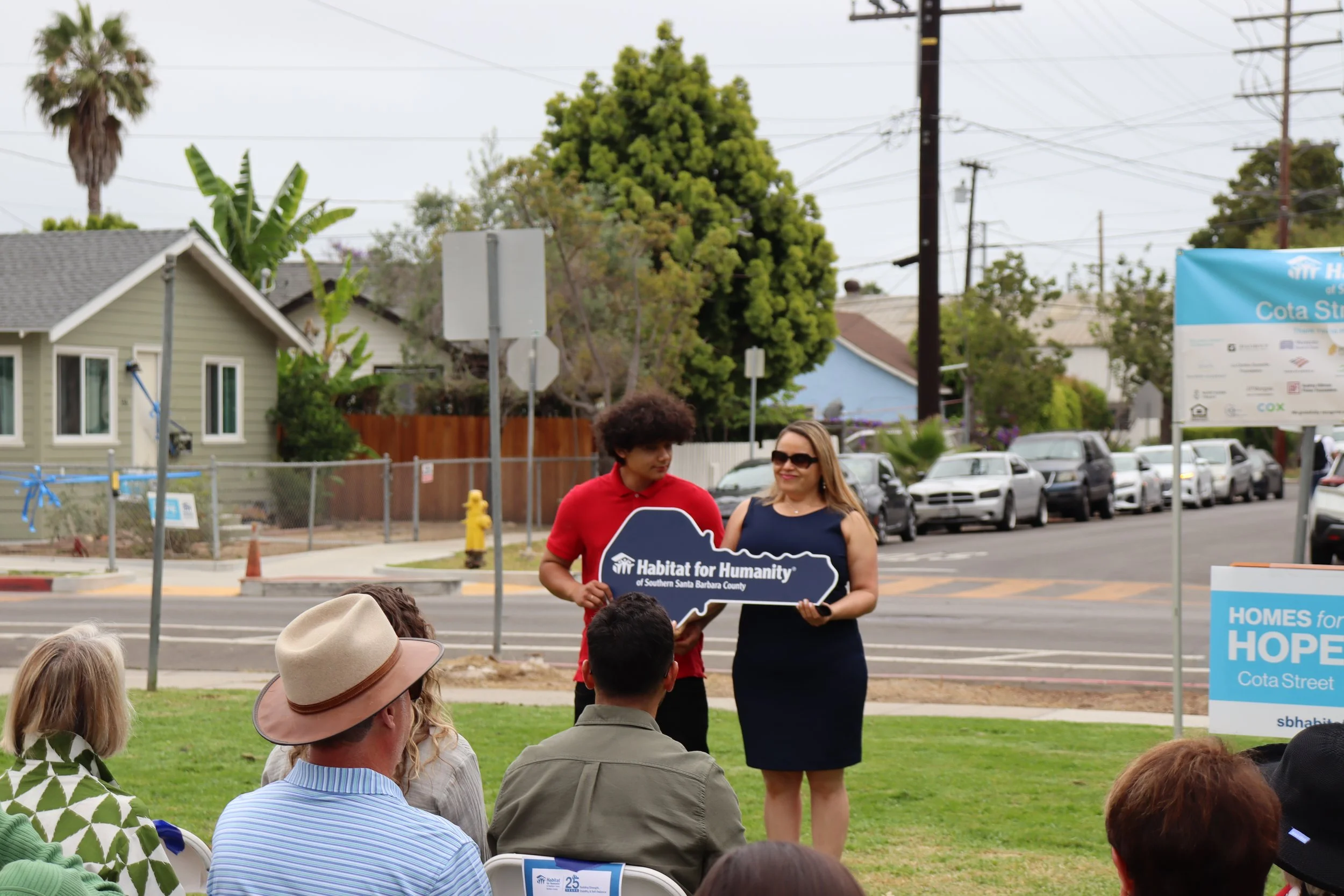
Rocio, Habitat Santa Barbara homeowner since 2025
Becoming a Habitat homeowner has been one of the biggest blessings of my life...and it reminded me that I’m not alone—so many kind people gave their time and energy to help my family.
Photo Credit: courtesy Habitat Santa Barbara
Community Members Making a Difference
There are many organizations and community members doing this important work in our community (see Partner Page). Below are the stories of three community members who are engaged in housing work across Santa Barbara County.

-
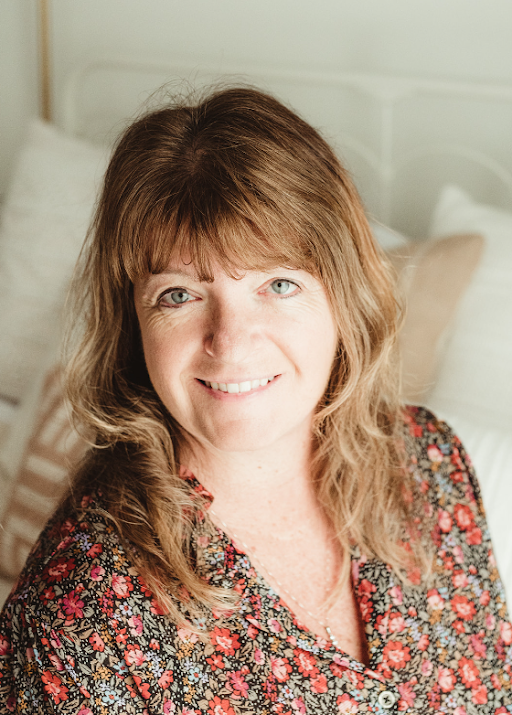
SYLVIA BARNARD
Chief Executive Officer, Good Samaritan Shelter
"Good Samaritan Shelter is often the first step towards a home for the unhoused. Our shelters serve as a place of respite, connections to services, and safe interim housing options as families & individuals prepare for permanent housing. At Good Samaritan, housing is more than a roof - it is a safe haven that one can call HOME. Housing is not the end of the road for many, it is the ongoing case management and linkages that keep people housed and for them to continue to feel safe as they continue on their journey. Good Samaritan Shelter is so proud to be a part of the process, and to hold that safe place that everyone deserves."
-

JESSICA DE L’ARBRE
CEO, Habitat for Humanity of Southern Santa Barbara County
"Leading Habitat Santa Barbara as CEO means that I get to spend my days with the most compassionate, talented, and fiercely optimistic people-- those who believe that building affordable ownership housing in southern Santa Barbara County is not only possible, but imperative. Ownership housing anchors families across generations, and housing preservation improves safety and ability to stay in the home you already own as you age in place and your needs change. Our Habitat homes are not just shelter-- they represent long-term stability, economic self-sufficiency, and community resilience. They are community collaborations that transform the lives of the people we serve." Photo credit: Habitat Santa Barbara, Jessica de L'Arbre, Habitat SB CEO
-
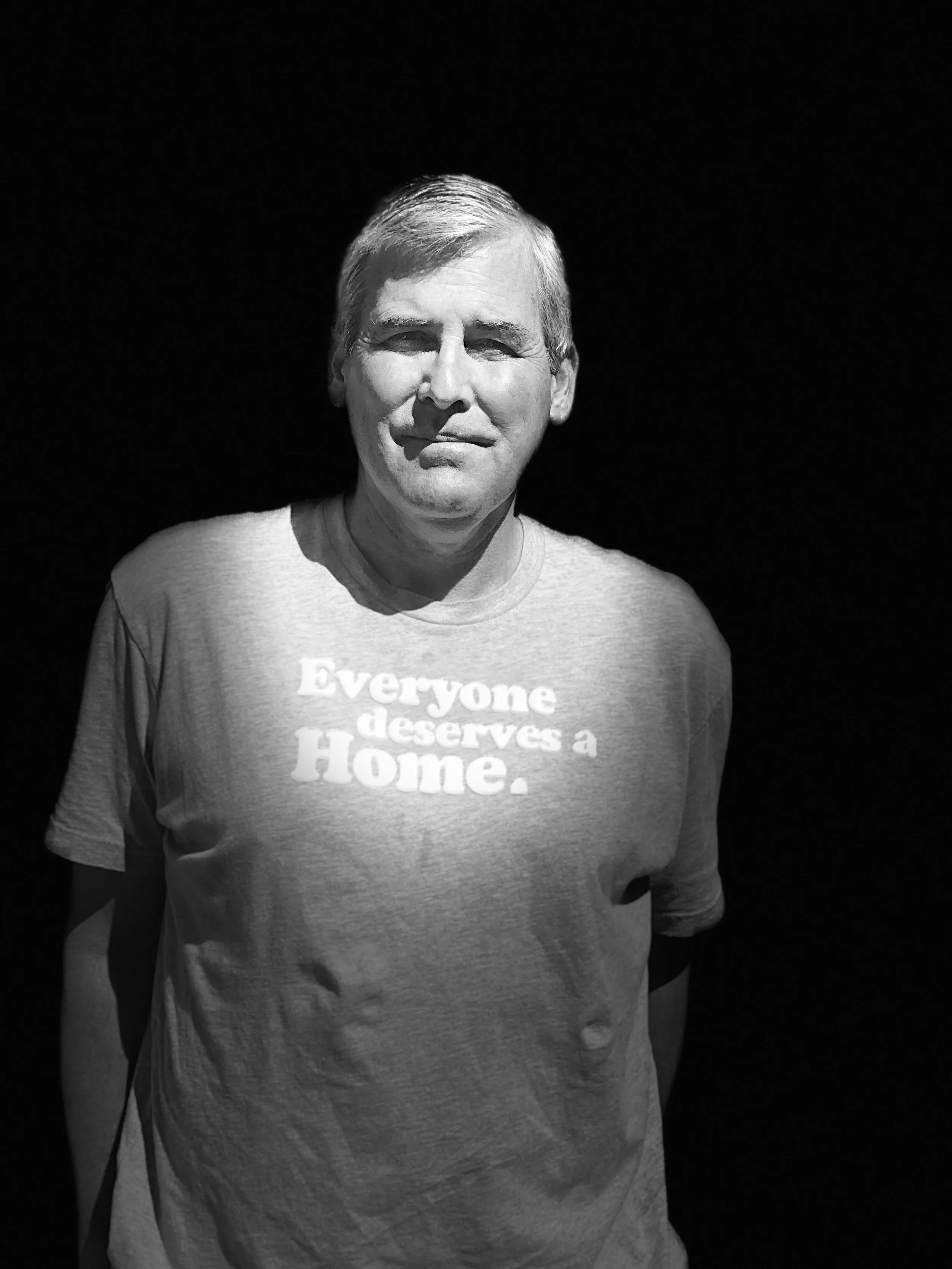
ROB FREDERICKS
Executive Director/CEO, Housing Authority of the City of Santa Barbara
“Housing isn’t just about roofs and walls — it’s the foundation of a healthy, equitable community. To truly meet the needs of Santa Barbara County’s residents, we have to understand them. Data gives us that clarity — it shows where the gaps are, who’s being left behind, and what kinds of homes our communities actually need. What gets measured, gets done — and when we measure housing outcomes honestly, we create the conditions to build with both precision and compassion.”
-

BOB HAVILCHEK
Executive Director, Housing Authority for the County of Santa Barbara
“Affordable housing is the foundation of well-being, creating opportunities to improve lives and, in turn, stabilize communities. Our agency’s role is to expand access to safe homes in a supportive and dignified environment. By listening and responding to the community, partnering across sectors, and using local data to guide investments, we focus resources where needs are greatest and tangible results can be measured. Our goal is to ensure every investment builds not just housing, but a healthier, more positive future for Santa Barbara County.”
-

DETLEV PEIKERT
Principal Architect, RRM Design Group
“Architecture, for me, is about creating places that bring people together — spaces that feel welcoming, uplifting, and full of life. I’ve learned that affordable housing isn’t only about building utilitarian boxes to provide shelter; it’s about designing thoughtfully with a passion to create homes where even the most disadvantage among us can thrive. It’s about creating beautiful communities where everyone has a place they’re proud to call home. When design comes from compassion, it builds more than walls and a roof — it builds community, dignity, and hope.”
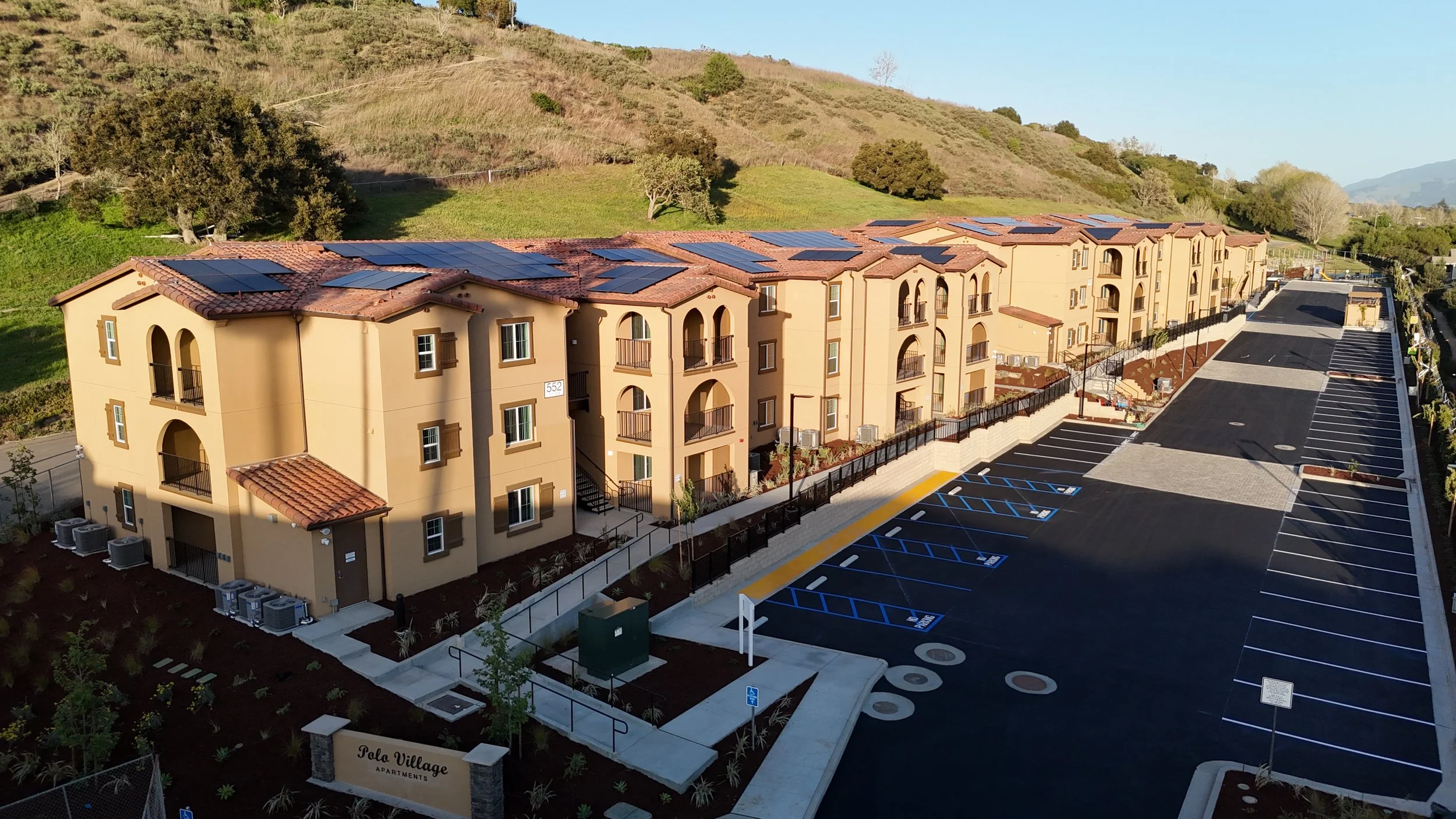
Photo Credit: HASBARCO, Polo Village - Buellton
We want your feedback!
You are viewing a beta version of the Santa Barbara County Community Wellbeing Dashboard. Many focus areas are currently under construction and others will be developed in the near future. Regardless of where they are in their development, each of the focus area dashboards are engaging in cycles of continuous improvement.
You are our community. Help us make this better! Each user brings a unique perspective to the dashboard. We value your participation and invite you to provide feedback on your user experience.